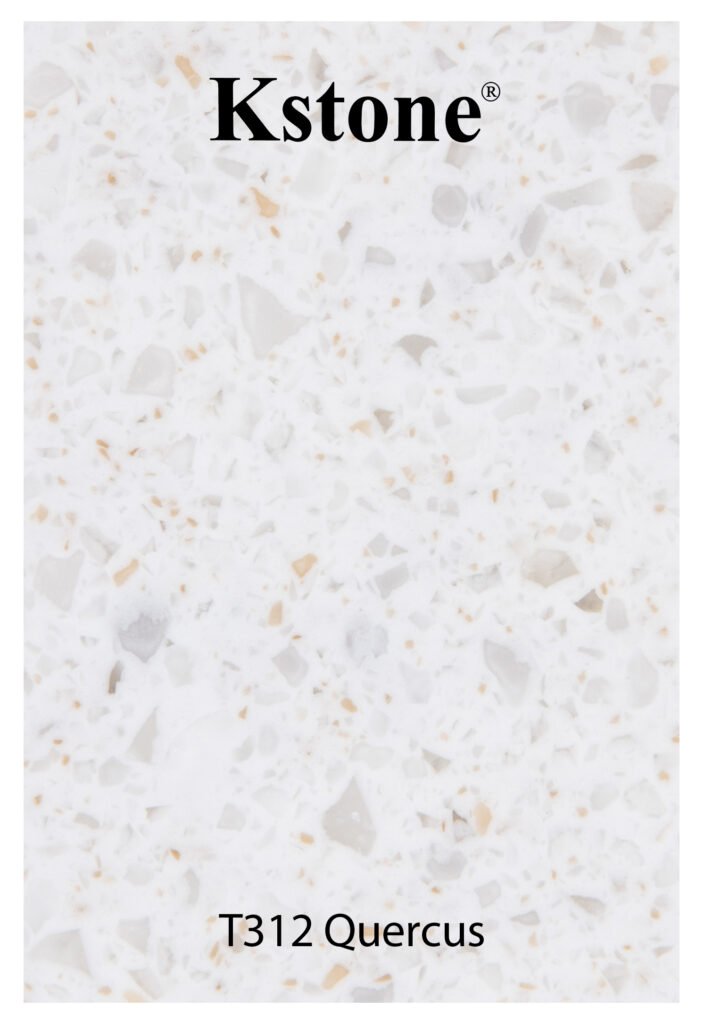
Granite offers natural slab variation; acrylic solid surface offers a manufactured colour range and fabrication flexibility. The right countertop depends on how those characteristics fit the design and daily use.
Inspect the actual appearance
Approve the granite slab or a representative solid surface sample under final lighting. Review edge profiles and seam locations. Solid surface joints can be inconspicuous but may remain visible, especially in patterned colours.
Compare wear and heat
Granite is generally harder than acrylic solid surface, while many light solid surface scratches can be refinished. Either material can be damaged by misuse, impact or poor installation. Use cutting boards and heat protection, and follow the specific supplier’s care instructions.
Plan cleaning and maintenance
Solid surface is non-porous and normally does not need a penetrating stone sealer. Granite sealing needs depend on the actual stone and finish; an annual schedule is not universal. Keep both surfaces clean, and confirm suitable cleaners.
Compare the finished project
Include the material, waste, edges, sink detail, supports, fabrication, delivery and installation in each quotation. Review local repair support and written warranty terms. A lower raw material price does not guarantee lower installed cost.
Read the natural-stone design comparison and unit-price guide. Contact KSTONE with your specification and drawings for product-specific guidance.