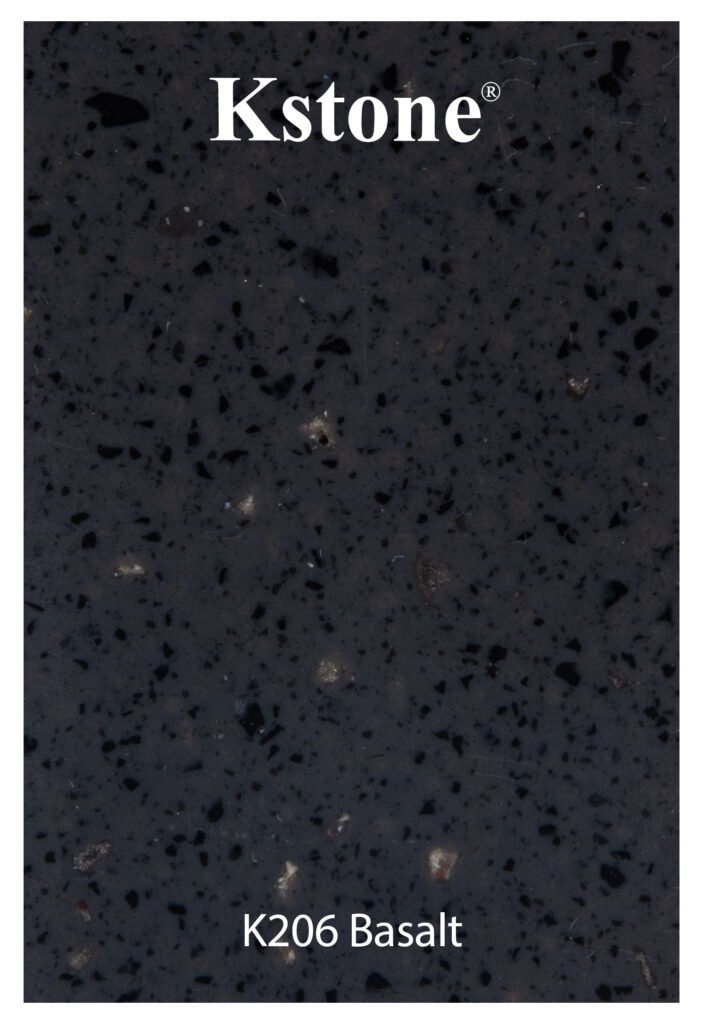
Some acrylic solid surface grades can be shaped into curves by thermoforming. Forming capability is specific to the material, colour, thickness and design. A sheet is not flexible in normal service, and forcing it around a curve at room temperature can damage it.
The process
- Material selection: confirm the exact grade and its fabrication guidance.
- Preparation: prepare a suitable blank, smooth its edges and inspect for defects.
- Heating: heat uniformly using equipment and settings validated for this material. There is no universal temperature or heating time for all sheets.
- Forming: use a suitable mould and controlled handling to achieve the approved geometry.
- Cooling: support the component as it cools according to the validated process before releasing it from the mould.
- Inspection: check the final dimensions, cracks, whitening, distortion and pattern changes before finishing.
Why a prototype matters
The smallest radius in a design may be more demanding than the rest of the component. Test that section using representative material. A successful trial on another colour or thickness is not proof that the production design will work. Agree acceptance criteria for appearance and dimensions.
Pure and modified acrylic
Do not assume both grades have the same forming behaviour. Ask the supplier about the selected product and confirm the result in a sample. Curved basins, wall panels and reception desks also need their joints, support and installation details reviewed.
For drawing preparation, see our curved-design review guide. The fabrication guide covers related operations. Ask KSTONE for material-specific guidance before planning a curved order.