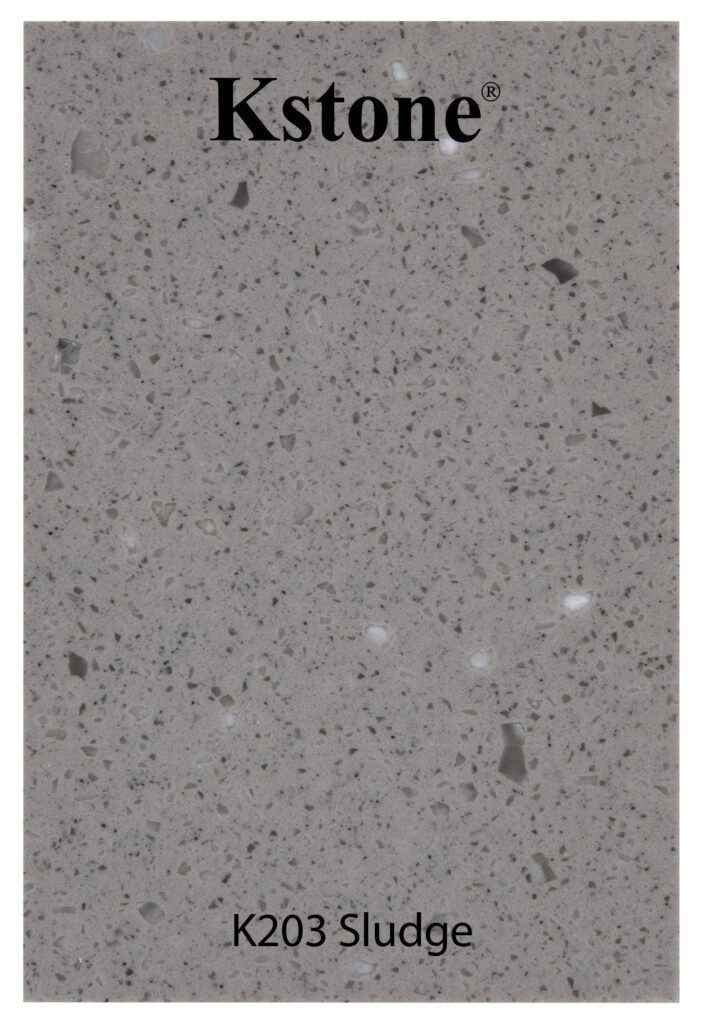
Solid surface is a useful countertop option when integrated design, cleaning and the ability to refinish many scratches matter. It needs proper fabrication and care, so it is best assessed against the actual project priorities.
Why buyers choose it
Colour options, inconspicuous adhesive joints and integrated sink details can support a cohesive design. The non-porous surface is straightforward to clean, and many superficial scratches can be refinished by a suitable process.
What to expect in use
Solid surface can scratch and suffer heat damage. Use cutting boards and trivets, lift heavy objects and follow approved cleaning guidance. Dark or glossy finishes may show wear more clearly. Non-porous does not mean the assembled countertop has no joints or requires no cleaning.
Specify the material accurately
Acrylic solid surface contains a resin binder, mineral filler and pigments. “100% acrylic” describes the resin system rather than a sheet made entirely of resin. Select grade, colour, dimensions and finish using product-specific data and physical samples.
Review fabrication and support
Ask the fabricator to review joints, cut-outs, overhangs and support. Curved components need a representative trial. Repair outcomes depend on colour, access and damage; severe defects can require replacement.
See material tradeoffs and the fabrication guide. Contact KSTONE with your specification and drawings for product-specific guidance.